THE JOURNAL
It turns out there is a "secret trick" to adjusting the time on Longines watches too!
Mechanical watchSince its invention, precise timekeeping has been its sacred mission. The mechanical watch, a product born in the Baroque era, has captivated watch enthusiasts for centuries with its exquisite detail and historical depth. Yet, just as no person is perfect, neither is any creation; the design principles of mechanical watches dictate an inherent shortcoming in accuracy. Although it has advanced by leaps and bounds since its invention, it still falls short compared to modern quartz and electronic watches. Fortunately, the ingenious designs of watchmaking predecessors have provided room for compensation. However, when it comes to an expensive timepiece, can you really adjust the time and date quite so casually? Might you inadvertently damage the watch? Here, we have lovingly compiled an exclusive guide on setting Longines watches to dispel your doubts.

Late at night, please do not adjustLongines watchthe date
The lifespan of a timepiece is a vital core of its quality, so to extend durability, most watch manufacturers allow watches to enter a slow-transition state around midnight. Depending on the watch brand, this process is mainly divided into two patterns: 20 p.m. to 4 a.m. and 22 p.m. to 2 a.m. Adjusting the date on the watch during this timeframe can easily cause damage to the movement and incorrect calendar switching. Therefore, remember to avoid adjusting during this sensitive late-night window.
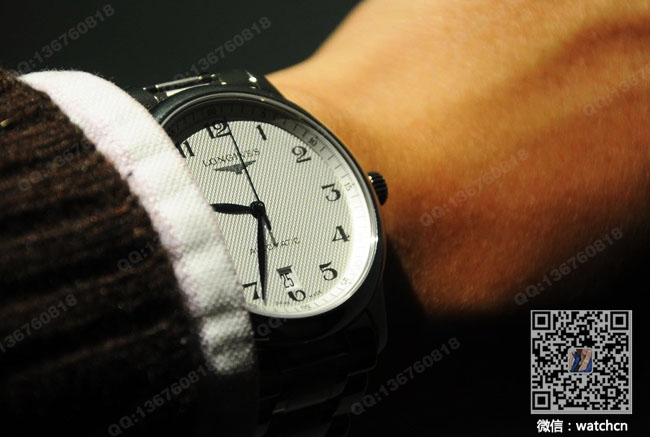
Date switching should not happen during the day
Normally, a watch date should switch silently at midnight, but statistics show that unexpectedly 50% of owners admit their cherished watches have switched dates during the day. The reason is simple: this indicates that although your watch keeps accurate time, it is running 12 hours fast or slow compared to the actual time. Nowadays, buying watches via overseas personal shoppers or traveling abroad makes situations like this very common. If you are not careful and overlook the effects of jet lag, it is very easy to cause the date to switch during daylight hours.
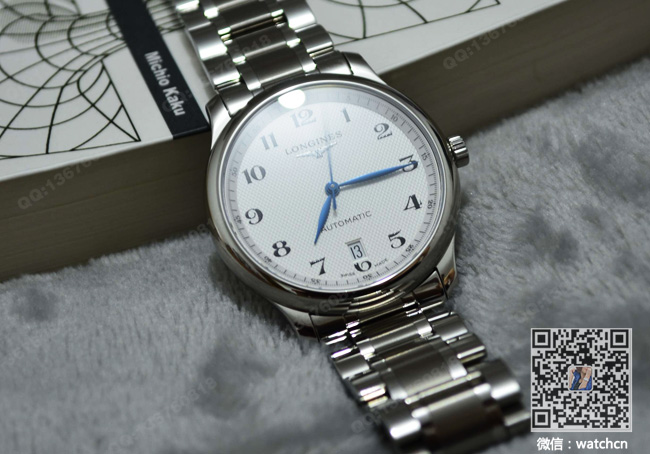
When adjusting the time on your watch, you really cannot lack a sense of direction
Choosing the correct direction to turn the hands when adjusting watch time is extremely critical. Almost all watches should be turned clockwise, but there are exceptions, such as two-hand quartz watches, so owners of such timepieces must pay special attention. Furthermore, because watches are divided into left-hand and right-hand models, owners with a poor sense of direction—especially ladies—must be sure to find the clockwise direction correctly. Otherwise, turning anticlockwise can easily cause deviations in where the hands point or even damage the core movement.
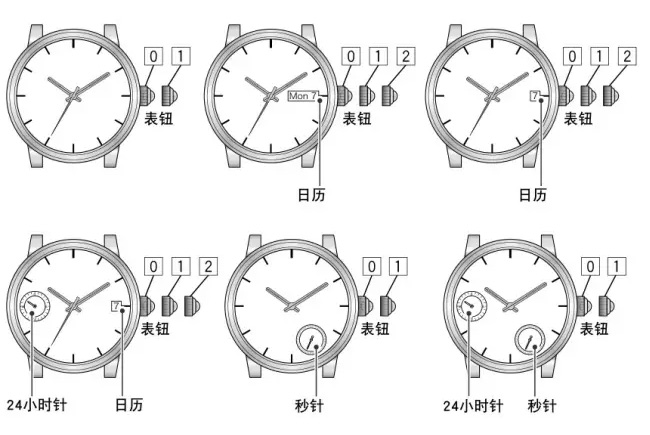
Although the above three points seem simple, they are indeed the most crucial and most easily overlooked! Adjusting the time and date is perhaps the most frequent maintenance an owner performs on a cherished watch, but amidst the passage of time, how many people can consistently master these details and develop good care habits? Many watch enthusiasts marvel at how vintage watches can withstand the vicissitudes of time and still keep accurate time, and the creation of this miracle lies in the owner's meticulous and patient maintenance over the years. With a little care, every timepiece can become a dazzling antique, allowing the story of you and your watch to be passed down through generations in your family, enduring endlessly.
![[N Factory Perfect Edition] Rolex Submariner series mechanical watch 116613LN](/images/pic/big/3940.jpg)
![[VS Factory Perfect Edition] Panerai Modern LUMINOR 1950 Series PAM00441 Watch](/images/pic/big/3873.jpg)
![[Noob Factory V7 Edition] Rolex Submariner watch 116610LN Black Sub](/images/pic/big/4977.jpg)
![[Noob Factory V7 Version] Rolex Submariner Watch 116610LV Kermit Submariner](/images/pic/big/4976.jpg)