THE JOURNAL
A Watch Enthusiast's Favourite: Hand-Wound Mechanical Watches
Mechanical watchGenerally divided into two winding forms: one is automatic winding, and the other is hand-wound. Automatic winding was invented and born in the year 1920, because at that timeRolex Oyster Perpetual watchits refinement and application of automatic winding made it immensely popular for a time. Prior to automatic winding, all watches were strictly hand-wound.
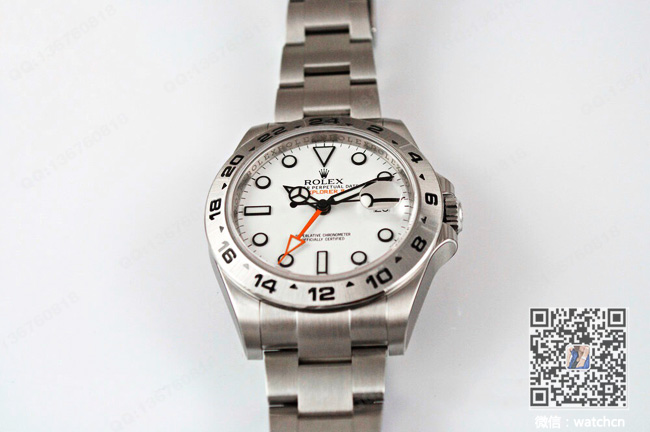
Why are hand-wound watches a watch lover's favourite? Hand-wound timepieces offer a distinctive experience through their deeply traditional use. Every few days, cradling your cherished watch and gently turning the crown a few times not only winds it to keep it running, but feels like an intimate appointment, letting you experience the quiet beauty of time on your wrist. Furthermore, from an aesthetic and functional perspective, lacking a rotor makes hand-wound movements much thinner. This results in a lighter, more elegant watch and allows the beauty of the movement to be fully displayed.
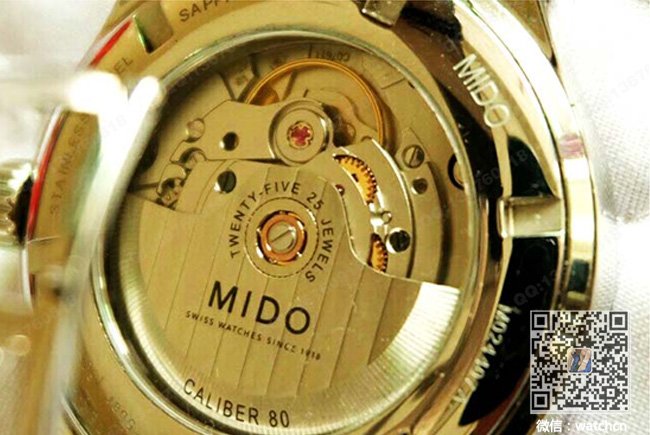
What is hand-wound
As the name suggests, it is manually winding the movement by turning the crown to wind the mainspring, thereby providing power for the movement to run. So how do you tell if a watch is hand-wound? If it is a mechanical watch with an exhibition case back, you can observe the movement to see if there is a rotor; if you cannot see one, then it is. Of course, some watches feature a solid case back, so the movement cannot be seen from the back, but that does not definitively mean it is not hand-wound.

Rolex Yacht-Master 116622 mechanical watch, 40MM, 100 metres water resistance
How to wind
The method of hand winding varies depending on the crown. For a screw-down crown, you generally need to rotate the crown anticlockwise first, and once it pops out, rotate it clockwise to wind. There is also a non-screw-down crown, which can be turned directly clockwise to wind. As for how many turns and how far to wind, it depends on the power reserve of the watch. Generally, if it has a power reserve of 40 to 50 hours, winding it 20 turns is sufficient; if it is a long power reserve model, the number of winding turns is usually around 30.
When is the best time to wind
It is best to get into the habit of winding your watch at a fixed time every morning, which ensures that the watch has sufficient power to run throughout the day. However, avoid winding it completely to the maximum, and avoid winding it at 12 o'clock at night, because many watches with day and date functions tend to change their numbers around this time.
![[N Factory Perfect Edition] Rolex Submariner series mechanical watch 116613LN](/images/pic/big/3940.jpg)
![[VS Factory Perfect Edition] Panerai Modern LUMINOR 1950 Series PAM00441 Watch](/images/pic/big/3873.jpg)
![[Noob Factory V7 Edition] Rolex Submariner watch 116610LN Black Sub](/images/pic/big/4977.jpg)
![[Noob Factory V7 Version] Rolex Submariner Watch 116610LV Kermit Submariner](/images/pic/big/4976.jpg)