THE JOURNAL
What Happens When Luxury Sports Watches Are No Longer Sporty?

The new watches showcased at Baselworld earlier this year have gradually started arriving in boutiques for sale in the second half of the year, with the most eye-catching being the luxury sports watches. In the eyes of many connoisseurs, luxury sports watches this year seem to have undergone some changes—the luxury remains, but the sportiness has somewhat diminished.
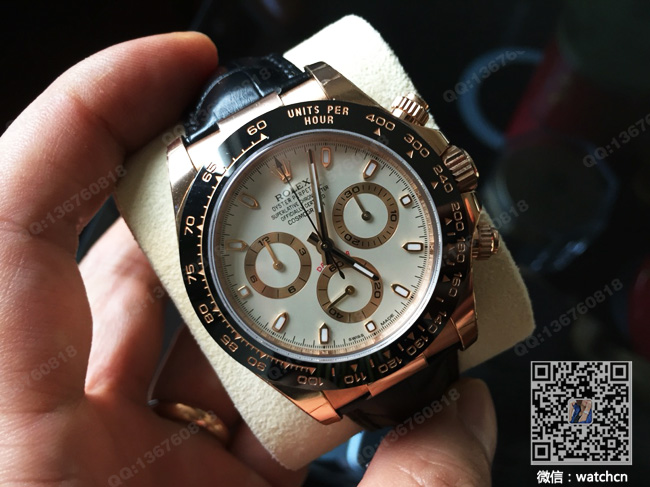
Regarding luxury sports watches, there is actually a very clear benchmark in the industry—equal to or higher thanRolex watches, especially professional sports watches priced higher than the standard Oyster. The reasoning is also very clear: compared to the high-end gold Rolex models and the entry-level standard Oyster models, professional Oyster sports watches, which generally retail from 5-10 ten thousand yuan—whether the flagship Daytona or the clean and practical Explorer I—combine practicality, personality, and relatively high value for money.
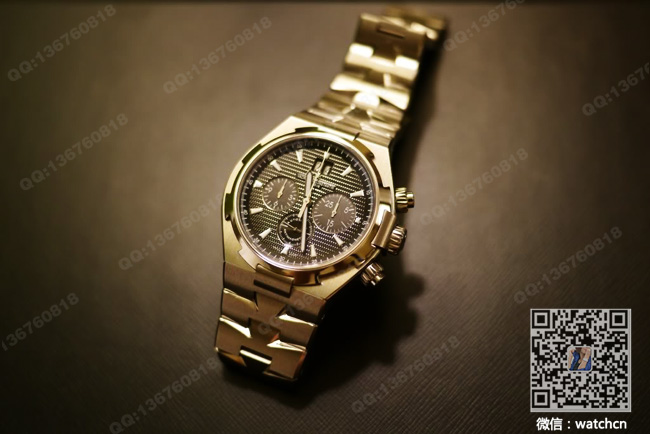
Especially after the mid-80s, as steel cases became universally recognised as the 'precious metal of the twenty-first century' and widely sought after by a new generation who love understated luxury, Rolex steel watches were considered suitable for both formal and casual wear, making it a market that many more luxurious brands dared not ignore.
In fact, over the past two to three decades, against the backdrop of global economic volatility and a younger generation that values individuality, luxury sports watches from various brands have sold very well in Europe and North America, even dominating the market. A prominent sign of this is that rare movements like perpetual calendars and tourbillons, which were previously mostly reserved for dress watches, are now appearing in large numbers within sports cases, and they are all selling well.
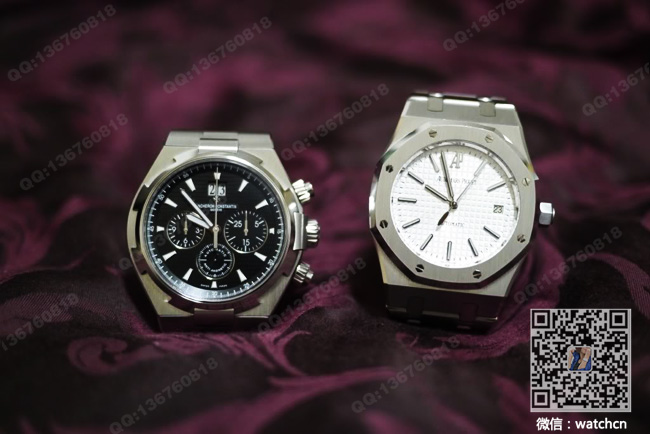
Take the most eye-catching new luxury sports watches at the moment: first, the new Rolex Daytona arrived in boutiques, and at the same time, its sibling Tudor's bronze watch also went on sale, both receiving enthusiastic responses. Then came Breitling's new 'Yellow Wolf', along with a whole host of annual 'black models' hitting the market, each with its own devotees. Of course, there are also the two top-tier and best-selling evergreen models in the luxury sports watch sector—Patek Philippe NautiluswithAudemars Piguet Royal Oak. However, Vacheron Constantin's Overseas has had its anti-magnetic cage from the previous generation removed—it turns out it has also followed in the footsteps of the IWC Big Pilot and Ingenieur, and the Blancpain Fifty Fathoms, by adopting an open caseback, shedding its heavy anti-magnetic armour to attract buyers with lightness and refinement.
In European culture, sport is often associated with aristocratic traditions, especially activities related to the sea, which recall histories stretching from ancient Greece to the expansion of the British Empire. Is the current trend of shedding armour and softening sportiness a shift in fashion under new concepts, or is it more about catering to the demands of East Asian, particularly Chinese, buyers? This will probably require a period of observation to distinguish.
![[N Factory Perfect Edition] Rolex Submariner series mechanical watch 116613LN](/images/pic/big/3940.jpg)
![[VS Factory Perfect Edition] Panerai Modern LUMINOR 1950 Series PAM00441 Watch](/images/pic/big/3873.jpg)
![[Noob Factory V7 Edition] Rolex Submariner watch 116610LN Black Sub](/images/pic/big/4977.jpg)
![[Noob Factory V7 Version] Rolex Submariner Watch 116610LV Kermit Submariner](/images/pic/big/4976.jpg)