THE JOURNAL
Why must mechanical watches be serviced?
BecauseMechanical watchoperates through the interaction of tiny gear components and the mainspring. Therefore, it is necessary to clean, lubricate, and adjust the movement parts periodically to ensure stable timekeeping and extend the watch's lifespan. Generally, brands and watchmakers recommend servicing a mechanical watch every 3 to 5 years, though some brands emphasise the superiority of their movements, suggesting intervals of 8 or 10 years. Omega's 8500 Co-Axial movement, due to its special material coatings and technology, can even go over 10 years without needing lubrication.
Due to structural requirements, most luxury watches on the market are marked as water-resistant, though some are not. Judging the quality of a watch solely by its water resistance is unscientific. Regardless of whether a watch is marked as water-resistant, as a watch enthusiast, you should still have it serviced regularly to extend the life of the movement.
I. Watch Sealing Issues
Most luxury watches are marked as water-resistant, such as 30M, 50M, 100M, etc., while others are marked as not water-resistant. Because of structural needs, some are water-resistant and some are not; this does not mean a non-water-resistant watch is of poor quality. Many plastic watches costing only a few pounds are water-resistant, but one would hardly call them luxury watches. In reality, water resistance relies on small rubber gaskets. Over time, these gaskets age and lose their elasticity, creating gaps that can lead to water or moisture ingress. Therefore, regular replacement of these sealing gaskets is essential to maintain water resistance.
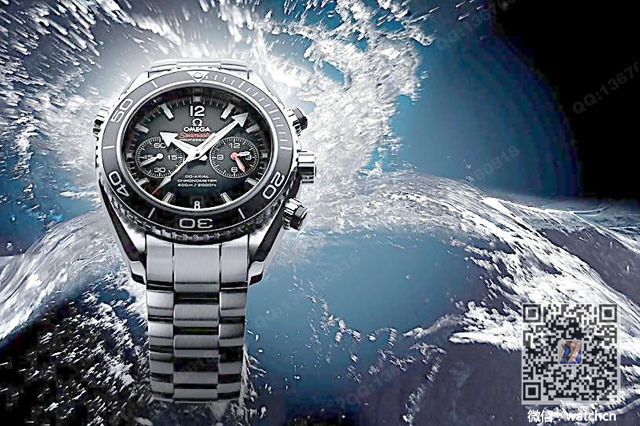
Furthermore, even if a watch is marked as water-resistant, this only indicates it passed testing during production; it does not guarantee it will remain water-resistant for a lifetime without maintenance. For example, many customers who bought Piaget watches wore them while bathing. Occasionally, they might not notice water ingress, but after a few times, they find moisture inside. If not treated promptly, the internal parts begin to rust, leading to complaints about product quality. Moreover, no watch should be worn in a sauna or hot shower, as the gaskets contract when cooled, allowing hot air to enter the sealed case. If the resulting condensation is not addressed, it causes corrosion and rust. Watches should only be worn under normal conditions.
II. Mechanical Operation Issues
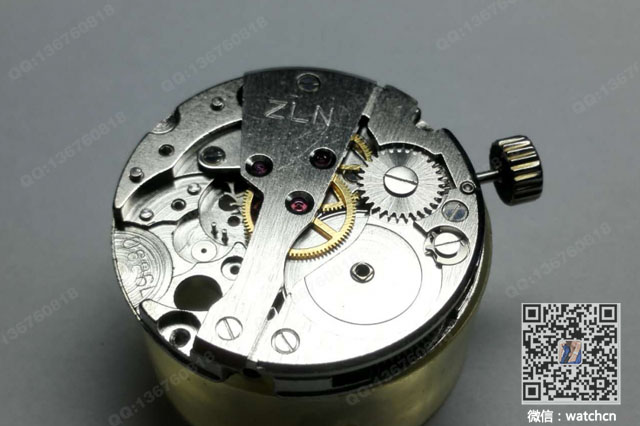
Luxury watches are generally mechanical and rely on gears to function. You may see a jewel count indicated on a watch; this does not refer to precious diamonds, but rather the number of gear pivots set with synthetic jewels. These are used because they are wear-resistant, so more jewels generally mean a longer lifespan for the watch. However, the gears themselves cannot be made of diamond; they must be made of steel. As watches become smaller and thinner, the pivots become finer. With tens of thousands of rotations daily, the movement relies entirely on a minute amount of oil within these jewel bearings to reduce friction. Once the oil dries out, the pivots suffer from dry friction, and within a few years, the watch's lifespan will be reached. Although luxury watch oils are high-grade, the quantity is so small that they will inevitably evaporate over a few years. How long can a pivot as thin as a hair last under friction? Older watch designs were less complex and larger, with thicker pivots, which is why some customers claim their watches have run for ten years without service. Modern watches are smaller and significantly more expensive, so one cannot simply assume they will perform like the older, larger models.
3. Exterior maintenance
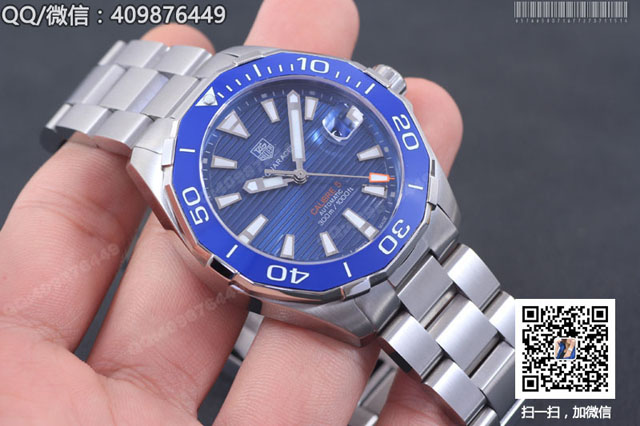
The exterior of luxury watches is generally made from yellow gold, white gold, or premium exotic leathers. Although gold is the primary material, perspiration from the human hand is acidic and, combined with atmospheric corrosion, can cause the watch to lose its brand-new appearance over time. This means regular cleaning and polishing are required to keep a luxury watch looking pristine. If it is white gold, the outer silver-white plating may eventually wear away with time, exposing the gold underneath and causing it to lose its whiteness. Regular maintenance and rhodium plating are therefore also required to maintain that like-new finish. Leather straps go without saying: the corrosive nature of sweat will cause straps to harden and crack prematurely. Normal care dictates that you should avoid wearing a leather strap watch during periods of excessive perspiration or rain. If a watch features a stainless steel case and bracelet, frequent polishing and refurbishment can further highlight its value.
Therefore, for luxury watches, the quality of maintenance will have a direct impact on their value.
Related reading:
How to care for your replica luxury watch?
Watch maintenance you can do at home, come and get it!
How to care for a leather strap watch? Essential tips for leather strap maintenance
![[N Factory Perfect Edition] Rolex Submariner series mechanical watch 116613LN](/images/pic/big/3940.jpg)
![[VS Factory Perfect Edition] Panerai Modern LUMINOR 1950 Series PAM00441 Watch](/images/pic/big/3873.jpg)
![[Noob Factory V7 Edition] Rolex Submariner watch 116610LN Black Sub](/images/pic/big/4977.jpg)
![[Noob Factory V7 Version] Rolex Submariner Watch 116610LV Kermit Submariner](/images/pic/big/4976.jpg)